

What is a heart murmur?
A heart murmur is a sound in your heart made by blood flowing through your heart and valves. The blood flow may be turbulent, which causes a blowing or whooshing sound your doctor can hear when they listen to your heart with a stethoscope.
Heart murmurs are common in babies and young children but can occur at any age. They can happen for many reasons, and not all are serious. Sometimes, though, a heart murmur can be a sign of a problem, such as a birth defect or an issue with your heart muscle or valves.
Types of heart murmurs
Heart murmurs can be divided into “innocent” (or normal) murmurs and murmurs related to heart problems, sometimes called abnormal or non-innocent heart murmurs.
Innocent heart murmurs are not a cause for concern and typically don’t need to be treated. They can be related to factors such as pregnancy, exercise or a child’s growth.
Heart murmurs that suggest a health issue are usually defined based on when the sound is heard:
- Systolic murmur: This murmur occurs when your heart is pumping blood to the rest of your body.
- Diastolic murmur: This murmur occurs when your heart muscle relaxes to fill up with blood. It’s often a sign of a heart valve issue.
- Continuous murmur: This murmur occurs during your heart’s entire beat, when it’s pumping blood and when it’s relaxing.
Heart murmur symptoms
Heart murmurs generally do not cause symptoms if they’re innocent. Many conditions can cause heart murmurs, so symptoms can vary, but might include:
- Blueness in face (in babies)
- Chest pain (angina)
- Difficulty during exercise or physical activity
- Difficulty feeding (in babies and young children)
- Dizziness
- Excessive sweating while sitting or during gentle physical activity
- Failure to thrive (in babies and children)
- Fainting
- Feeling lightheaded
- Persistent cough
- Rapid heartbeat or heart palpitations
- Shortness of breath
- Swelling in arms, legs or belly
- Tiredness or fatigue

When to see a doctor
See a doctor if you experience symptoms that concern you.
You likely won’t be able to hear a heart murmur in yourself or your child. Doctors usually find them when listening to your heart through a stethoscope. Heart conditions can be serious, and early diagnosis and treatment are essential.
What causes a heart murmur?
Heart murmurs are caused by changes in your blood flow pattern or the function of your heart. Children often have innocent murmurs when their blood flows faster than normal due to exercise, growth spurts or other reasons. Adults can also be diagnosed with innocent murmurs.
Abnormal, or non-innocent, heart murmurs in adults are usually caused by heart diseases, while non-innocent heart murmurs in children may be caused by congenital heart defects. Heart murmurs can also develop from other health conditions, such as:
- Anemia: A condition in which you have low red blood cell counts, anemia makes your blood less viscous, meaning it flows faster.
- Congenital heart defects: These can affect the heart’s ability to pump, cause extra blood flow or allow blood to flow backward.
- Endocarditis: This is an infection in the lining of your heart that can damage your heart valves.
- Heart valve disease: Your heart’s four valves keep blood flowing in one direction. Valves may narrow (stenosis) or not close completely, allowing blood to flow backward (regurgitation).
- Hypertrophic cardiomyopathy: This is a serious condition where part of your heart muscle becomes thickened, affecting normal blood flow.
- Overactive thyroid: If your body produces too much thyroid hormone, this can increase your heart rate.
Heart murmur risk factors
Your risk of developing a heart murmur increases if you have any of the conditions known to cause murmurs. Additional factors that increase your or a child’s risk of developing a murmur include:
Age
Murmurs are common in the first year of life and during childhood. They often go away by age 14.
Family history
You have a higher risk if you have a family history of conditions that cause heart murmurs.
Pregnancy complications
Uncontrolled diabetes, rubella infection, certain medications and misusing drugs or alcohol during pregnancy can increase a baby’s risk of a heart murmur.
How is a heart murmur diagnosed?
Learning you have a heart murmur and whether it’s related to another health condition allows you to seek treatment for the underlying cause before the condition causes long-term problems.
Your doctor might hear a murmur when they listen to your or your child’s heartbeat with a stethoscope during a routine physical examination. If they think your murmur is a sign of underlying problems, they’ll order other tests that give them more information about your heart health.
-
Medical history and exam
Your doctor will ask you about your symptoms, medical history and family history.
Heart murmurs can be graded on a scale from one to six, depending on intensity. Your doctor will listen to your heart by putting a stethoscope on different parts of your chest and may try to identify its location, what it sounds like (high or low pitched, for example), and when it occurs during your heartbeat. This information may help them find a possible cause.
Your doctor might also ask you to squat, stand, hold your breath or grip something while they listen to your heart.
-
Imaging and tests
Your doctor will likely order tests if they are concerned about a heart murmur.
- Chest X-ray: An X-ray shows the location, size and shape of your heart, lungs and blood vessels, but it does not show the inside structures of your heart.
- Echocardiogram: Sound waves are used to create a detailed picture of your heart and, in some cases, blood flow.
- Electrocardiogram (ECG): This measures your heart’s electrical activity. It can look at your heart’s rate and rhythm and help diagnose damage to your heart muscle that may be causing a murmur.
- Cardiac catheterization: This test uses thin tubes (catheters) in your arteries to measure blood pressure and heart flow. It can confirm a diagnosis if other tests and scans are unclear.
Heart murmur treatments
An innocent heart murmur does not need treatment and normally goes away on its own. When treating non-innocent murmurs, doctors focus on the underlying cause. Because many different conditions can cause heart murmurs, your treatment will be tailored to your diagnosis.
Some heart conditions benefit from medication alone, while others need cardiac catheterization or surgery to limit their impact on your or your child’s health and well-being.
Medication
Medication can treat an underlying cause or control conditions, such as high blood pressure, that can worsen a heart murmur. Your doctor may also prescribe medication to address a possible complication, such as heart failure or arrhythmia, or an underlying cause.
Your doctor may recommend:
- Angiotensin-converting enzyme inhibitors and angiotensin II receptor blockers: These medicines work by opening your blood vessels and lowering your blood pressure, making it easier for your heart to pump blood.
- Antiarrhythmic medications: These help restore your heart’s normal pumping rhythm.
- Beta blockers: These slow your heart rate, reducing the strain on your heart.
- Blood thinners: Faulty heart valves can increase your chance of dangerous blood clots linked to strokes. Blood thinners reduce this risk.
- Diuretics: These drugs help your body get rid of excess fluid, lessening your heart’s workload.
- Vasodilators: Vasodilators open and relax your blood vessels, making it easier to pump blood around your body.
Surgery
If you or your child has a heart problem, your doctor might recommend surgery or another procedure.
Surgery for birth defects often takes place in the early weeks to months of a baby’s life. While this can be very worrying for parents, most children make a full recovery and go on to live healthy, active lives.
Heart surgeries for conditions that cause murmurs include:
- Implanted devices: Implantable pacemakers or defibrillators can treat an arrhythmia or hypertrophic cardiomyopathy.
- Congenital defect surgery: Your child might need surgery to repair a hole in their heart, such as a ventricular or atrial septal defect, close a patent ductus arteriosus or resolve problems with blood vessels.
- Heart valve repair or replacement surgery: Various surgical procedures can repair or replace a damaged heart valve. Doctors increasingly can perform many of these surgeries with minimally invasive or robotic techniques or, in some cases, cardiac catheterization.
Find specialized care for heart murmurs
At Baylor Scott & White, we have multiple locations across North and Central Texas to provide you with access to expert cardiology care. Our specialized cardiovascular centers are designed to meet the unique needs of people who have been diagnosed with a heart murmur. Whether you're seeking diagnostic testing, treatment options or need ongoing support, our teams are here to help you.

Baylor Scott & White Advanced Heart Failure Clinic - Longview
906 Judson Rd , Longview, TX, 75601

Baylor Scott & White Advanced Heart Failure Clinic - Tyler
1321 S Beckham Ave , Tyler, TX, 75701

Baylor Scott & White Cardiology Consultants of Texas - Greenville
4400 Interstate 30 W Ste 300, Greenville, TX, 75402
- Monday: 8:30 am - 5:00 pm
- Tuesday: 8:30 am - 5:00 pm
- Wednesday: 8:30 am - 5:00 pm
- Thursday: 8:30 am - 5:00 pm
- Friday: 8:30 am - 5:00 pm

Baylor Scott & White Texas Cardiac Associates - Royse City
6257 FM 2642 Blvd Ste 100, Royse City, TX, 75189

Baylor Scott & White The Heart Hospital - McKinney
5268 W University Dr , McKinney, TX, 75071

Baylor Scott & White Cardiac Surgery Specialists - McKinney
5236 W University Dr Ste 4900, McKinney, TX, 75071

Baylor Scott & White The Heart Group - McKinney
5236 W University Dr Ste 4450, McKinney, TX, 75071
- Monday: 8:30 am - 5:00 pm
- Tuesday: 8:30 am - 5:00 pm
- Wednesday: 8:30 am - 7:00 pm
- Thursday: 8:30 am - 5:00 pm
- Friday: 8:30 am - 5:00 pm

Baylor Scott & White Legacy Heart Center - McKinney
5236 W University Dr Ste 4100, McKinney, TX, 75071
- Monday: 8:00 am - 5:00 pm
- Tuesday: 8:00 am - 5:00 pm
- Wednesday: 8:00 am - 5:00 pm
- Thursday: 8:00 am - 5:00 pm
- Friday: 8:00 am - 5:00 pm

Baylor Scott & White Arrhythmia Management - McKinney
5236 W University Dr POB I, Ste 4900, McKinney, TX, 75071
- Monday: 8:00 am - 5:00 pm
- Tuesday: 8:00 am - 5:00 pm
- Wednesday: 8:00 am - 5:00 pm
- Thursday: 8:00 am - 5:00 pm
- Friday: 8:00 am - 5:00 pm

Baylor Scott & White Medical Center - McKinney
5252 W University Dr Highway 380 at Lake Forest Drive, McKinney, TX, 75071

Baylor Scott & White Cardiovascular Specialists - Rockwall
6705 Heritage Pkwy Ste 202, Rockwall, TX, 75087
- Monday: 8:00 am - 5:00 pm
- Tuesday: 8:00 am - 5:00 pm
- Wednesday: 8:00 am - 5:00 pm
- Thursday: 8:00 am - 5:00 pm
- Friday: 8:00 am - 5:00 pm

Baylor Scott & White Medical Center - Lake Pointe
6800 Scenic Dr , Rowlett, TX, 75088

Baylor Scott & White Center for Thoracic Surgery - Rockwall
6701 Heritage Pkwy Ste 130, Rockwall, TX, 75087

Baylor Scott & White Arrhythmia Management - Prosper
111 S Preston Rd Ste 10, Prosper, TX, 75078
- Monday: 8:00 am - 5:00 pm
- Tuesday: 8:00 am - 5:00 pm
- Wednesday: 8:00 am - 5:00 pm
- Thursday: 8:00 am - 5:00 pm
- Friday: 8:00 am - 5:00 pm

Baylor Scott & White The Heart Group - Prosper
111 S Preston Rd Ste 10, Prosper, TX, 75078

Baylor Scott & White Legacy Heart Center - Prosper
111 S Preston Rd Ste 10, Prosper, TX, 75078
- Monday: 8:00 am - 5:00 pm
- Tuesday: 8:00 am - 5:00 pm
- Wednesday: 8:00 am - 5:00 pm
- Thursday: 8:00 am - 5:00 pm
- Friday: 8:00 am - 5:00 pm
Baylor Scott & White Texas Cardiac Associates - Rowlett
7801 Lakeview Pkwy Ste 100, Rowlett, TX, 75088
- Monday: 8:00 am - 5:00 pm
- Tuesday: 8:00 am - 5:00 pm
- Wednesday: 8:00 am - 5:00 pm
- Thursday: 8:00 am - 5:00 pm
- Friday: 8:00 am - 5:00 pm
Baylor Scott & White Denton Heart Group - Gainesville
201 N Interstate 35 Ste 140, Gainesville, TX, 76240
- Monday: 8:00 am - 5:00 pm
- Tuesday: 8:00 am - 5:00 pm
- Wednesday: 8:00 am - 5:00 pm
- Thursday: 8:00 am - 5:00 pm
- Friday: 8:00 am - 5:00 pm

Baylor Scott & White Medical Center - Frisco at PGA Parkway
7600 Better Way , Frisco, TX, 75033
Baylor Scott & White Cardiovascular Consultants - Frisco at PGA Parkway
16050 Everwell Ln Ste 600, Frisco, TX, 75033
Baylor Scott & White Arrhythmia Management - Frisco at PGA Parkway
16050 Everwell Ln Ste 210, Frisco, TX, 75033

Baylor Scott & White The Heart Group - Frisco at PGA Parkway
16050 Everwell Ln Ste 210, Frisco, TX, 75033
Baylor Scott & White The Heart Group – Frisco at PGA Parkway II
16050 Everwell Ln Ste 600, Frisco, TX, 75033
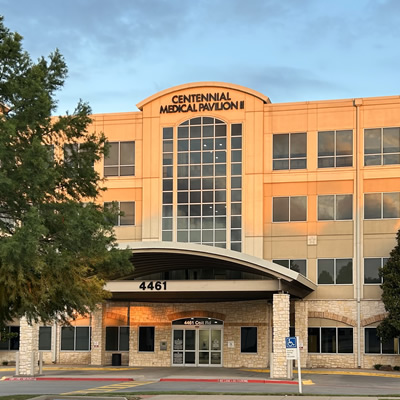
Baylor Scott & White The Heart Group - Frisco
4461 Coit Rd Ste 101, Frisco, TX, 75035
- Monday: 8:30 am - 4:30 pm
- Tuesday: 8:30 am - 4:30 pm
- Wednesday: 8:30 am - 4:30 pm
- Thursday: 8:30 am - 4:30 pm
- Friday: 8:30 am - 4:30 pm

Baylor Scott & White Medical Center - Centennial
12505 Lebanon Rd , Frisco, TX, 75035
Baylor Scott & White Arrhythmia Management - Garland II
7217 Telecom Pkwy Ste 300, Garland, TX, 75044

Baylor Scott & White Legacy Heart Center - Garland
7217 Telecom Pkwy Ste 205, Garland, TX, 75044
- Monday: 8:00 am - 5:00 pm
- Tuesday: 8:00 am - 5:00 pm
- Wednesday: 8:00 am - 5:00 pm
- Thursday: 8:00 am - 5:00 pm
- Friday: 8:00 am - 5:00 pm

Baylor Scott & White Arrhythmia Management - Garland
7217 Telecom Pkwy Ste 205, Garland, TX, 75044
- Monday: 8:00 am - 5:00 pm
- Tuesday: 8:00 am - 5:00 pm
- Wednesday: 8:00 am - 5:00 pm
- Thursday: 8:00 am - 5:00 pm
- Friday: 8:00 am - 5:00 pm

Baylor Scott & White Texas Cardiac Associates - Forney
763 E US Hwy 80 Ste 240, Forney, TX, 75126
- Monday: 8:00 am - 5:00 pm
- Tuesday: 8:00 am - 5:00 pm
- Wednesday: 8:00 am - 5:00 pm
- Thursday: 8:00 am - 5:00 pm
- Friday: 8:00 am - 5:00 pm
Baylor Scott & White Legacy Heart Center - Frisco
9990 Dallas Pkwy Ste 100, Frisco, TX, 75033
- Monday: 8:00 am - 5:00 pm
- Tuesday: 8:00 am - 5:00 pm
- Wednesday: 8:00 am - 5:00 pm
- Thursday: 8:00 am - 5:00 pm
- Friday: 8:00 am - 5:00 pm

Baylor Scott & White Cardiovascular Consultants at The Star
3800 Gaylord Pkwy Ste 910, Frisco, TX, 75034
- Monday: 8:30 am - 5:00 pm
- Tuesday: 8:30 am - 5:00 pm
- Wednesday: 8:30 am - 5:00 pm
- Thursday: 8:30 am - 5:00 pm
- Friday: 8:30 am - 5:00 pm
Baylor Scott & White Legacy Heart Center - Plano Preston Road
6601 Preston Rd , Plano, TX, 75024
- Monday: 8:00 am - 5:00 pm
- Tuesday: 8:00 am - 5:00 pm
- Wednesday: 8:00 am - 5:00 pm
- Thursday: 8:00 am - 5:00 pm
- Friday: 8:00 am - 5:00 pm

Baylor Scott & White Medical Center - Frisco
5601 Warren Pkwy , Frisco, TX, 75034
Baylor Scott & White Legacy Heart Center - Plano Spring Creek Parkway
5655 W Spring Creek Pkwy Ste 155, Plano, TX, 75024
- Monday: 8:00 am - 5:00 pm
- Tuesday: 8:00 am - 5:00 pm
- Wednesday: 8:00 am - 5:00 pm
- Thursday: 8:00 am - 5:00 pm
- Friday: 8:00 am - 5:00 pm

Baylor Scott & White Medical Center - Sunnyvale
231 S Collins Rd , Sunnyvale, TX, 75182
Baylor Scott & White Cardiovascular Consultants - Plano
6000 W Spring Creek Pkwy Ste 220, Plano, TX, 75024
- Monday: 8:30 am - 5:00 pm
- Tuesday: 8:30 am - 5:00 pm
- Wednesday: 8:30 am - 5:00 pm
- Thursday: 8:30 am - 5:00 pm
- Friday: 8:30 am - 5:00 pm

Baylor Scott & White Arrhythmia Management - Plano
1820 Preston Park Blvd Ste 1450, Plano, TX, 75093
- Monday: 8:00 am - 5:00 pm
- Tuesday: 8:00 am - 5:00 pm
- Wednesday: 8:00 am - 5:00 pm
- Thursday: 8:00 am - 5:00 pm
- Friday: 8:00 am - 5:00 pm

Baylor Scott & White Cardiology Consultants of Texas - Mesquite
1575 Interstate 30 , Mesquite, TX, 75150
- Monday: 8:30 am - 5:00 pm
- Tuesday: 8:30 am - 5:00 pm
- Wednesday: 8:30 am - 5:00 pm
- Thursday: 8:30 am - 5:00 pm
- Friday: 8:30 am - 5:00 pm

Baylor Scott & White The Heart Hospital - Plano
1100 Allied Dr , Plano, TX, 75093
Baylor Scott & White The Heart Group - Frisco at Plano
4708 Alliance Blvd Ste 450, Plano, TX, 75093

Baylor Scott & White Cardiac Surgery Specialists - Plano
4708 Alliance Blvd Pavilion I, Ste 540, Plano, TX, 75093
- Monday: 8:30 am - 4:30 pm
- Tuesday: 8:30 am - 4:30 pm
- Wednesday: 8:30 am - 4:30 pm
- Thursday: 8:30 am - 4:30 pm
- Friday: 8:30 am - 4:30 pm

Baylor Scott & White The Heart Group - Plano
4708 Alliance Blvd Pavilion I, Ste 465, Plano, TX, 75093
- Monday: 8:00 am - 4:30 pm
- Tuesday: 8:00 am - 4:30 pm
- Wednesday: 8:00 am - 4:30 pm
- Thursday: 8:00 am - 4:30 pm
- Friday: 8:00 am - 4:30 pm

Baylor Scott & White Cardiovascular Consultants - Plano II
4708 Alliance Blvd Pavilion I, Ste 450 , Plano, TX, 75093
- Monday: 8:30 am - 4:45 pm
- Tuesday: 8:30 am - 4:45 pm
- Wednesday: 8:30 am - 4:45 pm
- Thursday: 8:30 am - 4:45 pm
- Friday: 8:30 am - 4:45 pm
Baylor Scott & White Cardiovascular Specialists - Mesquite
5308 N Galloway Ave Ste 201, Mesquite, TX, 75150
- Monday: 8:00 am - 5:00 pm
- Tuesday: 8:00 am - 5:00 pm
- Wednesday: 8:00 am - 5:00 pm
- Thursday: 8:00 am - 5:00 pm
- Friday: 8:00 am - 5:00 pm
Baylor Scott & White The Heart Hospital – Plano Heart Valve Center
4716 Alliance Blvd Pavilion II, Ste 300, Plano, TX, 75093
- Monday: 8:00 am - 5:00 pm
- Tuesday: 8:00 am - 5:00 pm
- Wednesday: 8:00 am - 5:00 pm
- Thursday: 8:00 am - 5:00 pm
- Friday: 8:00 am - 5:00 pm
Global Heart Health Center
4716 Alliance Blvd Pavilion II, Ste 300, Plano, TX, 75093
Baylor Scott & White The Heart Hospital Heart Rhythm Center - Plano
4716 Alliance Blvd Pavilion II, Ste 300, Plano, TX, 75093
Baylor Scott & White The Heart Hospital Heart Recovery Center - Plano
4716 Alliance Blvd Pavilion II, Ste 350, Plano, TX, 75093
- Monday: 8:00 am - 5:00 pm
- Tuesday: 8:00 am - 5:00 pm
- Wednesday: 8:00 am - 5:00 pm
- Thursday: 8:00 am - 5:00 pm
- Friday: 8:00 am - 5:00 pm
Baylor Scott & White The Heart Hospital Aortic Center - Plano
4716 Alliance Blvd Pavilion II, Ste 300, Plano, TX, 75093
- Monday: 8:00 am - 5:00 pm
- Tuesday: 8:00 am - 5:00 pm
- Wednesday: 8:00 am - 5:00 pm
- Thursday: 8:00 am - 5:00 pm
- Friday: 8:00 am - 5:00 pm
Baylor Scott & White The Heart Hospital Genetics Center - Plano
4716 Alliance Blvd Pavilion II, Ste 350, Plano, TX, 75093
Frequently asked questions
-
When should I worry about a heart murmur?
Heart murmurs can be concerning if they occur with other symptoms, such as chest pain, shortness of breath or fatigue. You should see your doctor if you have these symptoms.
-
Can you die from a heart murmur?
A heart murmur can be a sign of a more serious condition that can have severe and sometimes life-threatening complications. If not treated, some heart valve diseases can lead to heart failure, stroke, blood clots or death due to cardiac arrest.
-
What does a heart murmur feel like?
You may not be able to feel a heart murmur. Innocent heart murmurs will not have symptoms. Heart murmurs caused by another condition can have a variety of symptoms, such as chest pain, shortness of breath and feeling extremely tired. Always consult with your doctor if you experience unusual symptoms.
-
What does a heart murmur sound like?
A heart murmur can sound like a whooshing, blowing or rasping sound between heartbeats. This is in addition to the normal, steady “lub dub” sound of your heart beating. It is best heard with a stethoscope.
-
Do heart murmurs go away?
Innocent heart murmurs usually go away on their own. Non-innocent heart murmurs may go away if the condition causing them is treated.
-
What should you avoid with a heart murmur
If you have an innocent heart murmur, you do not need to make any changes to your lifestyle. If your heart murmur is caused by a heart condition, your doctor’s advice will depend on the underlying cause.