

What are Braxton Hicks contractions?
Braxton Hicks contractions are mild, irregular contractions of your uterus that typically occur during the second or third trimester of pregnancy. Sometimes called “false labor,” they are a normal way that your body prepares to give birth.
Braxton Hicks contractions can be uncomfortable but are not usually painful. They’re also not harmful to you or your baby and don’t require medical treatment. Learning the signs can help you know if what you are experiencing is normal and when to call your doctor.
What do Braxton Hicks contractions feel like?
Braxton Hicks contractions may feel like a tightening sensation or cramps you have during your period; your belly tightens and then relaxes. You usually feel Braxton Hicks contractions in the front of your belly or another specific area.
Braxton Hicks contractions can be uncomfortable and sometimes (but not always) painful. They also usually occur sporadically and go away within a short timeframe, typically when you rest, drink water or change position.
Braxton Hicks vs. real contractions
It’s not always easy to tell the difference between Braxton Hicks and real contractions. Your doctor can distinguish between the two because real contractions cause your cervix to dilate, a sign you’re about to give birth, while Braxton Hicks contractions do not.
Still, certain differences may help you determine if you’re having Braxton Hicks or real contractions.
Braxton Hicks contractions
- Are unpredictable, lasting from a few seconds up to two minutes
- Cause pain or discomfort in a specific area (usually the front) of your belly or lower back
- Do not increase in frequency
- Go away when you rest, drink water or change position
- May start as early as your second trimester
- Occur at irregular intervals and eventually stop
- Tend to be milder, less intense and less regular than true labor contractions
Real labor contractions
- Are strong and regular
- Cause intense pain that makes it difficult to walk or talk
- Do not go away or become less painful when you rest, hydrate or change positions
- Increase in frequency and intensity as you get closer to delivering your baby
- Last 30 to 90 seconds
- May occur with other symptoms, such as blood discharge or your water breaking
- Start in your lower back or belly and radiate toward the front of your belly
- Usually begin in your third trimester or when your due date is getting close
When do Braxton Hicks contractions start?
Braxton Hicks contractions are thought to start as early as the sixth week of pregnancy, but you likely won’t feel them until the second trimester at the earliest. Most women begin to notice them in the third trimester.
Some women do not notice Braxton Hicks contractions at all. These contractions occur during all pregnancies, but you might not be aware of them.
What causes Braxton Hicks contractions?
Although doctors don’t know what causes Braxton Hicks contractions, they’re thought to help your body prepare for pregnancy.
During a Braxton Hicks contraction, muscles tighten and relax, which helps tone your uterus. The contractions may also help improve blood flow. They cause blood to move to the placenta and deliver oxygen-rich blood to your baby.
Some activities may increase your baby’s need for oxygen, which may trigger the contraction. These may include:
- Being dehydrated
- Having a full bladder
- Having sex
- Physical activity
How to relieve Braxton Hicks contractions
Taking time to rest, relax and drink enough fluid is often enough to ease your contractions. You might find they go away if you change your position or activity level.
If you have been very active, lie down for a nap. If you have been sitting for a long time, you might want to move or take a walk. Be mindful of avoiding potential triggers by:
- Being mindful when you have sex: Most women with healthy pregnancies do not need to avoid sex, but if sex causes uncomfortable contractions, you can wait for the discomfort to pass or try relaxation techniques.
- Drinking water: Drinking plenty of fluid (eight to 12 cups per day) will help you stay healthy during pregnancy. Watch for signs of dehydration, such as dark-colored urine, a dry mouth, or feeling dizzy or faint.
- Engaging in light to moderate exercise: Walking and other moderate-intensity activities are usually safe and can help keep you and your baby healthy. Stop if you experience regular contractions, pain, bleeding, dizziness or shortness of breath.
- Urinating regularly: This can reduce pressure on your bladder.
Find specialized maternity care close to home
Whether it’s determining if you are experiencing Braxton Hicks contractions or you’re ready to deliver, the compassionate and dedicated OBGYNs at our specialized maternity centers in North and Central Texas are by your side to guide you as your family grows.

Baylor Scott & White Medical Center - McKinney
5252 W University Dr Highway 380 at Lake Forest Drive, McKinney, TX, 75071

Baylor Scott & White Obstetrics & Gynecology - Rockwall
1005 W Ralph Hall Pkwy Ste 115, Rockwall, TX, 75032
- Monday: 8:00 am - 5:00 pm
- Tuesday: 8:00 am - 5:00 pm
- Wednesday: 8:00 am - 5:00 pm
- Thursday: 8:00 am - 5:00 pm
- Friday: 8:00 am - 5:00 pm

Baylor Scott & White Obstetrics & Gynecology - Rowlett
9500 Lakeview Pkwy Ste 100, Rowlett, TX, 75088
- Monday: 8:00 am - 5:00 pm
- Tuesday: 8:00 am - 5:00 pm
- Wednesday: 8:00 am - 5:00 pm
- Thursday: 8:00 am - 5:00 pm
- Friday: 8:00 am - 5:00 pm

Baylor Scott & White Medical Center - Lake Pointe
6800 Scenic Dr , Rowlett, TX, 75088
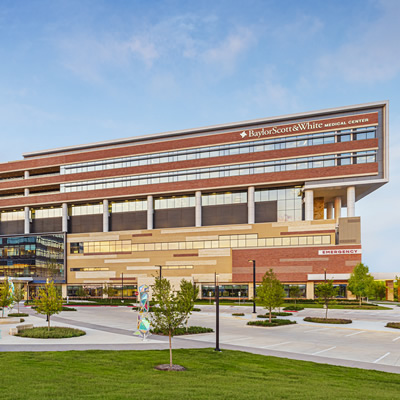
Baylor Scott & White Obstetrics & Gynecology - Frisco at PGA Parkway
16050 Everwell Ln Professional Pavilion I, Ste 200, Frisco, TX, 75033
- Monday: 8:00 am - 4:45 pm
- Tuesday: 8:00 am - 4:45 pm
- Wednesday: 8:00 am - 4:45 pm
- Thursday: 8:00 am - 4:45 pm
- Friday: 8:00 am - 4:30 pm
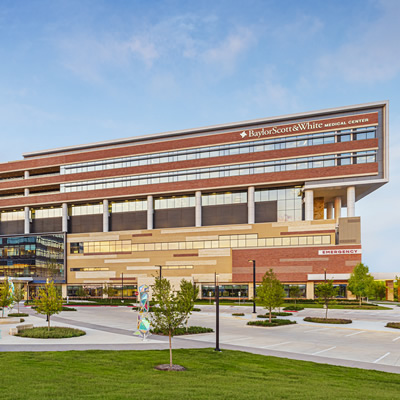
Baylor Scott & White Medical Center - Frisco at PGA Parkway
7600 Better Way , Frisco, TX, 75033
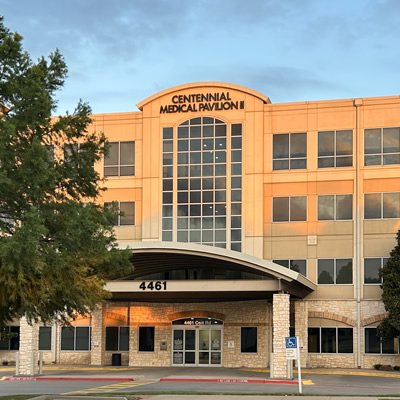
Baylor Scott & White Obstetrics & Gynecology - Frisco
4461 Coit Rd Ste 205, Frisco, TX, 75035
- Monday: 8:00 am - 4:45 pm
- Tuesday: 8:00 am - 4:45 pm
- Wednesday: 8:00 am - 4:45 pm
- Thursday: 8:00 am - 4:45 pm
- Friday: 8:00 am - 4:30 pm

Baylor Scott & White Medical Center - Centennial
12505 Lebanon Rd , Frisco, TX, 75035

Baylor Scott & White Surgicare - Garland
530 Clara Barton Blvd Ste 100, Garland, TX, 75042
- Monday: 6:00 am - 5:00 pm
- Tuesday: 6:00 am - 5:00 pm
- Wednesday: 6:00 am - 5:00 pm
- Thursday: 6:00 am - 5:00 pm
- Friday: 6:00 am - 5:00 pm

Baylor Scott & White Medical Center - Frisco
5601 Warren Pkwy , Frisco, TX, 75034
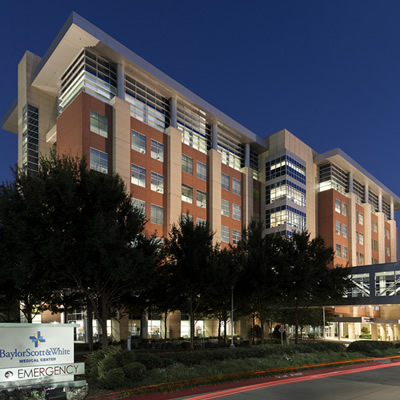
Baylor Scott & White Medical Center - Plano
4700 Alliance Blvd , Plano, TX, 75093
Baylor Scott & White Park Lane OB/GYN Associates
9101 N Central Expy Ste 150, Dallas, TX, 75231
- Monday: 8:00 am - 4:30 pm
- Tuesday: 8:00 am - 4:30 pm
- Wednesday: 8:00 am - 4:30 pm
- Thursday: 8:00 am - 4:30 pm
- Friday: 8:00 am - 4:30 pm

Baylor Scott & White Surgicare - Dallas
4020 Junius St , Dallas, TX, 75246
- Monday: 6:00 am - 5:00 pm
- Tuesday: 6:00 am - 5:00 pm
- Wednesday: 6:00 am - 5:00 pm
- Thursday: 6:00 am - 5:00 pm
- Friday: 6:00 am - 5:00 pm

Baylor Scott & White Women's Health Group
3600 Gaston Ave Wadley Tower, Ste 1158, Dallas, TX, 75246
- Monday: 9:00 am - 5:00 pm
- Tuesday: 9:00 am - 5:00 pm
- Wednesday: 9:00 am - 5:00 pm
- Thursday: 9:00 am - 5:00 pm
- Friday: 9:00 am - 4:30 pm

Baylor University Medical Center, part of Baylor Scott & White Health
3500 Gaston Ave , Dallas, TX, 75246

Baylor Scott & White Medical Center - Irving
1901 N MacArthur Blvd , Irving, TX, 75061

Baylor Scott & White Medical Center - Grapevine
1650 W College St , Grapevine, TX, 76051

Baylor Scott & White Obstetrics & Gynecology - Grapevine
1631 Lancaster Dr Ste 370, Grapevine, TX, 76051
- Monday: 8:00 am - 5:00 pm
- Tuesday: 8:00 am - 5:00 pm
- Wednesday: 8:00 am - 5:00 pm
- Thursday: 8:00 am - 5:00 pm
- Friday: 8:00 am - 5:00 pm
Baylor Scott & White Women’s Health Specialists - Waxahachie
2460 N Interstate 35E Ste 165, Waxahachie, TX, 75165
- Monday: 8:00 am - 5:00 pm
- Tuesday: 8:00 am - 5:00 pm
- Wednesday: 8:00 am - 5:00 pm
- Thursday: 8:00 am - 5:00 pm
- Friday: 8:00 am - 5:00 pm

Baylor Scott & White Medical Center - Waxahachie
2400 N Interstate 35E , Waxahachie, TX, 75165

Baylor Scott & White All Saints Medical Center - Fort Worth
1400 8th Ave , Fort Worth, TX, 76104

Baylor Scott & White Medical Center - Hillcrest
100 Hillcrest Medical Blvd , Waco, TX, 76712
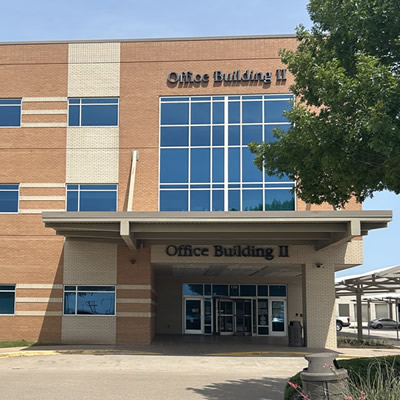
Baylor Scott & White OB/GYN Clinic - Waco
120 Hillcrest Medical Blvd Office Building 2, Ste 201-2, Waco, TX, 76712
- Monday: 8:00 am - 5:00 pm
- Tuesday: 8:00 am - 5:00 pm
- Wednesday: 8:00 am - 5:00 pm
- Thursday: 8:00 am - 5:00 pm
- Friday: 8:00 am - 5:00 pm

Baylor Scott & White Clinic - College Station Rock Prairie
800 Scott and White Dr , College Station, TX, 77845
- Monday: 7:30 am - 5:00 pm
- Tuesday: 7:30 am - 5:00 pm
- Wednesday: 7:30 am - 5:00 pm
- Thursday: 7:30 am - 5:00 pm
- Friday: 7:30 am - 5:00 pm

Baylor Scott & White Medical Center - College Station
700 Scott and White Dr , College Station, TX, 77845

Baylor Scott & White Clinic - Santa Fe
1402 W Ave H , Temple, TX, 76504
- Monday: 8:00 am - 5:00 pm
- Tuesday: 8:00 am - 5:00 pm
- Wednesday: 8:00 am - 5:00 pm
- Thursday: 8:00 am - 5:00 pm
- Friday: 8:00 am - 5:00 pm
- Monday: 7:00 am - 4:30 pm
- Tuesday: 7:00 am - 4:30 pm
- Wednesday: 7:00 am - 4:30 pm
- Thursday: 7:00 am - 4:30 pm
- Friday: 7:00 am - 4:30 pm
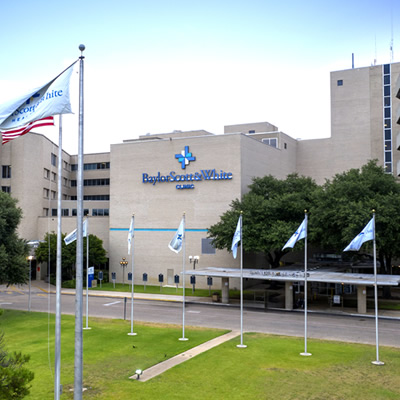
Baylor Scott & White Clinic - Temple
2401 S 31st St , Temple, TX, 76508
- Monday: 8:00 am - 5:00 pm
- Tuesday: 8:00 am - 5:00 pm
- Wednesday: 8:00 am - 5:00 pm
- Thursday: 8:00 am - 5:00 pm
- Friday: 8:00 am - 5:00 pm
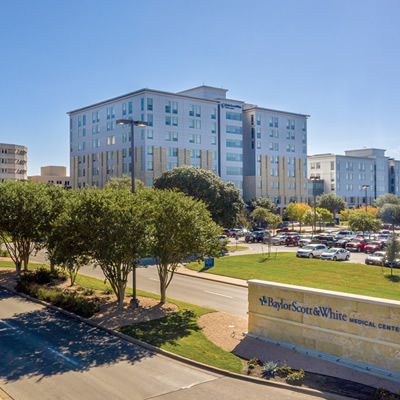
Baylor Scott & White Medical Center - Temple
2401 S 31st St , Temple, TX, 76508
Baylor Scott & White Clinic - Temple OB/GYN
2401 S 31st St 3rd Floor, Temple, TX, 76508

Baylor Scott & White Clinic - Temple Professional Plaza II
1713 SW H K Dodgen Loop Bldg II, Ste 100, Temple, TX, 76502
- Monday: 8:00 am - 6:00 pm
- Tuesday: 8:00 am - 6:00 pm
- Wednesday: 8:00 am - 6:00 pm
- Thursday: 8:00 am - 6:00 pm
- Friday: 8:00 am - 12:00 pm

Baylor Scott & White Medical Center - Brenham
700 Medical Pkwy , Brenham, TX, 77833

Baylor Scott & White Clinic - Brenham Hwy 290
604 US 290 , Brenham, TX, 77833
- Monday: 7:00 am - 5:00 pm
- Tuesday: 7:00 am - 5:00 pm
- Wednesday: 7:00 am - 5:00 pm
- Thursday: 7:00 am - 7:00 pm
- Friday: 7:00 am - 5:00 pm
- Saturday: 8:00 am - 12:00 pm
Baylor Scott & White Specialty Clinic - Salado
213 Millcreek Dr Ste 190, Salado, TX, 76571
- Monday: 8:00 am - 5:00 pm
- Tuesday: 8:00 am - 5:00 pm
- Wednesday: 8:00 am - 5:00 pm
- Thursday: 8:00 am - 5:00 pm
- Friday: 8:00 am - 5:00 pm
Baylor Scott & White Specialty Clinic - Harker Heights
907 Mountain Lion Cir , Harker Heights, TX, 76548
- Monday: 8:00 am - 5:00 pm
- Tuesday: 8:00 am - 5:00 pm
- Wednesday: 8:00 am - 5:00 pm
- Thursday: 8:00 am - 5:00 pm
- Friday: 8:00 am - 5:00 pm
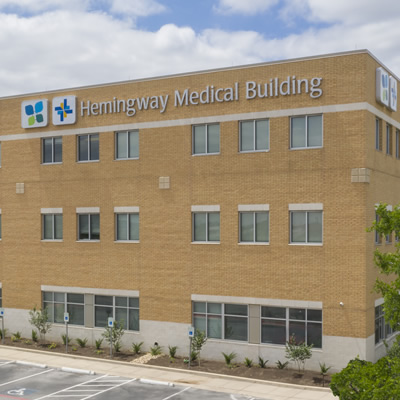
Baylor Scott & White Specialty Clinic - Killeen Hemingway
2405 S Clear Creek Rd , Killeen, TX, 76549
- Monday: 8:00 am - 5:00 pm
- Tuesday: 8:00 am - 5:00 pm
- Wednesday: 8:00 am - 5:00 pm
- Thursday: 8:00 am - 5:00 pm
- Friday: 8:00 am - 5:00 pm

Baylor Scott & White Medical Center - Round Rock
300 University Blvd , Round Rock, TX, 78665
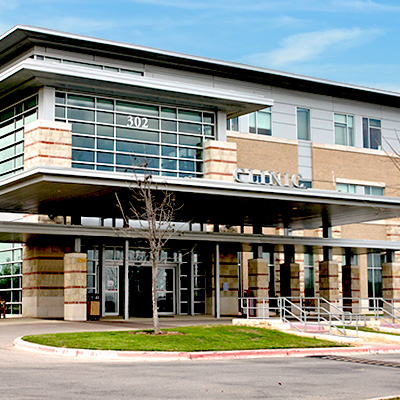
Baylor Scott & White Clinic - Round Rock 302 University
302 University Blvd , Round Rock, TX, 78665
- Monday: 8:00 am - 5:00 pm
- Tuesday: 8:00 am - 5:00 pm
- Wednesday: 8:00 am - 5:00 pm
- Thursday: 8:00 am - 5:00 pm
- Friday: 8:00 am - 5:00 pm

Baylor Scott & White Clinic - Pflugerville Medical Center (Building 1)
2600 E Pflugerville Pkwy Bldg 1, Ste 200, Pflugerville, TX, 78660
- Monday: 8:00 am - 5:00 pm
- Tuesday: 8:00 am - 5:00 pm
- Wednesday: 8:00 am - 5:00 pm
- Thursday: 8:00 am - 5:00 pm
- Friday: 8:00 am - 5:00 pm
- Monday: 7:30 am - 4:00 pm
- Tuesday: 7:30 am - 4:00 pm
- Wednesday: 7:30 am - 4:00 pm
- Thursday: 7:30 am - 4:00 pm
- Friday: 7:30 am - 4:00 pm
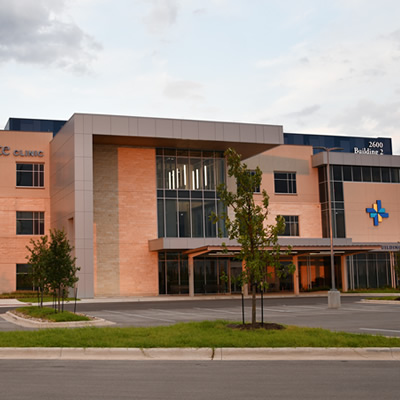
Baylor Scott & White Clinic - Pflugerville Medical Center Building 2
2600 E Pflugerville Pkwy Building 2, Pflugerville, TX, 78660
- Monday: 8:00 am - 5:00 pm
- Tuesday: 8:00 am - 5:00 pm
- Wednesday: 8:00 am - 5:00 pm
- Thursday: 8:00 am - 5:00 pm
- Friday: 8:00 am - 5:00 pm
- Monday: 8:00 am - 4:00 pm
- Tuesday: 8:00 am - 4:00 pm
- Wednesday: 8:00 am - 4:00 pm
- Thursday: 8:00 am - 4:00 pm
- Friday: 8:00 am - 4:00 pm

Baylor Scott & White Medical Center - Pflugerville (Building 1)
2600 E Pflugerville Pkwy Bldg 1, Ste 100, Pflugerville, TX, 78660

Baylor Scott & White Clinic - Cedar Park
910 E Whitestone Blvd , Cedar Park, TX, 78613
- Monday: 8:00 am - 5:00 pm
- Tuesday: 8:00 am - 5:00 pm
- Wednesday: 8:00 am - 5:00 pm
- Thursday: 8:00 am - 5:00 pm
- Friday: 8:00 am - 5:00 pm
- Monday: 7:00 am - 5:00 pm
- Tuesday: 7:00 am - 5:00 pm
- Wednesday: 7:00 am - 5:00 pm
- Thursday: 7:00 am - 5:00 pm
- Friday: 7:00 am - 5:00 pm
- Saturday: 9:00 am - 2:00 pm

Baylor Scott & White Clinic - Austin North Burnet
2608 Brockton Dr , Austin, TX, 78758
- Monday: 8:00 am - 5:00 pm
- Tuesday: 8:00 am - 5:00 pm
- Wednesday: 8:00 am - 5:00 pm
- Thursday: 8:00 am - 5:00 pm
- Friday: 8:00 am - 5:00 pm

Baylor Scott & White Medical Center - Austin
5245 W US Hwy 290 Service Rd , Austin, TX, 78735

Baylor Scott & White Medical Center - Lakeway
100 Medical Pkwy , Lakeway, TX, 78738

Baylor Scott & White Specialty Clinic - Lakeway
200 Medical Pkwy , Lakeway, TX, 78738
- Monday: 8:00 am - 5:00 pm
- Tuesday: 8:00 am - 5:00 pm
- Wednesday: 8:00 am - 5:00 pm
- Thursday: 8:00 am - 5:00 pm
- Friday: 8:00 am - 5:00 pm

Baylor Scott & White Medical Center - Buda
5330 Overpass Rd , Buda, TX, 78610
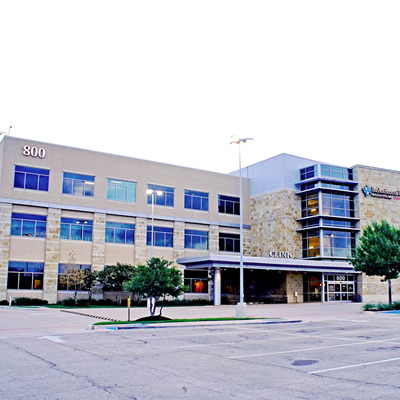
Baylor Scott & White Specialty Clinic - Marble Falls
800 W State Hwy 71 , Marble Falls, TX, 78654
- Monday: 8:00 am - 5:30 pm
- Tuesday: 8:00 am - 5:30 pm
- Wednesday: 8:00 am - 5:30 pm
- Thursday: 8:00 am - 5:30 pm
- Friday: 8:00 am - 5:30 pm

Baylor Scott & White Medical Center - Marble Falls
810 W State Hwy 71 , Marble Falls, TX, 78654
Frequently asked questions
-
Do Braxton Hicks contractions hurt?
Braxton Hicks contractions can hurt, but most women find they cause more discomfort than pain. These contractions are often compared to mild period cramps.
-
How early can you have Braxton Hicks contractions?
You can have Braxton Hicks contractions as early as the sixth week of your pregnancy, but you probably won’t feel them until your second or third trimesters.
-
How frequently do Braxton Hicks contractions occur?Braxton Hicks contractions occur at irregular intervals, unlike real labor contractions. They can come every few minutes, but they can also come and go at unpredictable times.
If you’re concerned you may be having real contractions, write down how often your contractions occur. Real contractions get closer and closer together as your body prepares to give birth. Braxton Hicks contractions do not.
-
Are Braxton Hicks contractions normal?
Yes, Braxton Hicks contractions are normal. They occur in all pregnancies, but not all women feel them. They usually become more common as you approach your due date.
-
Do Braxton Hicks contractions cause dilation?
No, Braxton Hicks contractions do not cause dilation. Only true labor contractions cause your cervix to dilate.
-
Can Braxton Hicks turn into real contractions?
No, Braxton Hicks do not turn into real contractions, but they can occur before you go into labor. Braxton Hicks contractions can come and go, but they don’t cause the cervix to dilate, which occurs when labor starts.
-
How long can a Braxton Hicks contraction last?
Braxton Hicks contractions can last from a few seconds to up to two minutes. It can be difficult to predict how long they will last.