

What is acid reflux?
Acid reflux, also known as gastroesophageal reflux, occurs when food and acid from your stomach travel back up your esophagus. This can cause a burning sensation in your chest and throat, known as heartburn, as well as other symptoms.
The terms acid reflux, heartburn and gastroesophageal reflux disease (GERD) are often used interchangeably, but they do not mean the same thing. Acid reflux is a condition, and heartburn is one of its symptoms. Over time, acid reflux can cause GERD, a more serious, long-term condition in which acid reflux occurs repeatedly or causes complications.
Acid reflux is very common and affects almost everyone at some point in their lives. Most people can treat it with lifestyle changes, home remedies or over-the-counter medicines. But if chronic symptoms interfere with your quality of life, your doctor can help.
What causes acid reflux?
After eating, food travels down your esophagus, the muscular tube connecting your throat to your stomach. Your lower esophageal sphincter (LES) acts as a valve, relaxing to allow food to enter your stomach and then closing.
Acid reflux occurs when the LES relaxes at the wrong time or becomes weakened, allowing food, stomach (gastric) acid and bile to travel back up into your esophagus. Your stomach is designed to handle the highly acidic fluids that aid in digestion, but they can cause a painful, burning sensation if they travel to your esophagus.
Acid reflux symptoms
Heartburn is the symptom most frequently associated with acid reflux. It can feel like a burning sensation in the middle of your chest rising towards your throat. You might also have regurgitation, where you feel your stomach contents coming back into your throat and mouth. However, not everyone will experience these.
Other symptoms of acid reflux include:
- Bad taste in your mouth
- Burping or hiccups
- Chest pain
- Cough or hoarseness
- Difficulty swallowing
- Excessive saliva
- Loss of appetite
- Nausea or vomiting, especially after meals
- Pain when swallowing
- Sore throat

When to see a doctor
Most people can relieve occasional symptoms with home treatment or over-the-counter acid reflux remedies. However, you should see your primary care provider or a gastroenterologist if:
- You have acid reflux more than twice a week.
- You often feel sick to your stomach or like throwing up.
- Your symptoms don’t get better when you take over-the-counter medications.
- You begin losing weight because symptoms make it hard to eat or reduce your appetite.
Acid reflux risk factors
Many factors can lead to your LES being weakened, including being overweight or pregnant and taking certain medicines. Still, acid reflux can affect people of any age, from infants to older adults. But some factors can increase your chances of getting it.
Risk factors of acid reflux include:
- Age: Your LES can weaken as you age.
- Being overweight or obese: Excess weight can put more pressure on your stomach and affect your LES.
- Pregnancy: Acid reflux is common during pregnancy, especially during the last trimester. Your hormones cause your esophageal sphincter to relax and your developing baby puts pressure on your stomach.
- Smoking (or inhaling smoke): Chemicals in tobacco can weaken your LES.
- Stress: Stress and anxiety can lead to gastrointestinal symptoms, including acid reflux.
Complications of acid reflux
Chronic acid reflux can cause GERD, a long-term condition that can damage the lining of your esophagus. GERD itself can cause serious health problems, such as esophageal cancer or a chronic cough.
Other complications of acid reflux may include:
- Esophagitis: Inflammation in the lining of the esophagus.
- Barrett’s esophagus: When the tissues lining your esophagus change to look like intestinal lining. This is a risk factor for esophageal cancer.
- Asthma: Acid in your airway may aggravate people with existing asthma or cause symptoms in people without preexisting respiratory conditions. Seeking treatment for acid reflux may help you avoid GERD complications and any long-term health effects.
Diagnosing acid reflux
If you’re experiencing symptoms like heartburn, chest discomfort or a sour taste in your mouth, your primary care provider may be able to diagnose acid reflux just by reviewing your symptoms and medical history. In many cases, no additional testing is needed. However, if your symptoms don’t improve with treatment or your doctor suspects a more serious condition like gastroesophageal reflux disease (GERD), they may order tests or refer you to a specialist, such as a gastroenterologist.
-
Medical history and exam
During your appointment, your doctor will ask about your health history. Be sure to let them know if you have a history of gastrointestinal (GI) conditions. They’ll also want to know about your symptoms, any other conditions you have and any medicines you take. Your doctor might perform a physical exam to see if there could be another cause for your symptoms.
-
Imaging
Your doctor may recommend imaging tests to get a better look at your upper digestive system.
- Upper GI endoscopy: This test uses a thin, flexible tube with a camera (called an endoscope) to check your esophagus, stomach and the first part of your small intestine. It helps your doctor look for inflammation, ulcers or other signs of damage from acid reflux.
- Barium esophagram (barium swallow): You’ll drink a chalky liquid called barium, which coats your esophagus and stomach. X-rays are then taken to show how the liquid moves through your digestive tract and whether there are signs of reflux or narrowing.
-
Ambulatory pH monitoring
This test measures how often and how long stomach acid flows back into your esophagus. A small probe is placed in your esophagus or swallowed as a capsule. It tracks acid levels for 24 to 48 hours and sends the data to a small recorder you wear.
-
Esophageal manometry
This test checks how well the muscles in your esophagus work when you swallow. A thin tube is passed through your nose and into your esophagus to measure muscle strength and movement. It’s often used if other tests don’t give clear results or before surgery.
Acid reflux treatment
Many lifestyle changes and over-the-counter medications can help you with occasional acid reflux. It may help to identify what triggers your reflux and avoid them. When lifestyle changes and nonprescription medications no longer help, your doctor can give you prescription alternatives and, if your symptoms interfere with your daily life, order tests to see if you have GERD.
Lifestyle changes
Most people can prevent acid reflux by avoiding triggers or changing how they eat. Foods and drinks that can trigger acid reflux in some people include:
- Alcoholic or carbonated drinks
- Chocolate
- Citrus fruits and drinks
- Coffee and other caffeinated beverages
- Greasy, fried or fatty foods
- Peppermint
- Tomatoes and tomato-based products
You can also try altering some of your eating habits. For example:
- Take your time when eating.
- Take a short walk after meals.
- Try eating more frequent but smaller meals, rather than large meals.
- Wait at least two hours after a meal before lying down. This aids gravity’s role in digestion.
If you get heartburn or other symptoms at night, you can elevate the head of your bed to see if that helps. Aim to raise your head six to eight inches. You’ll need to use blocks or a wedge under your mattress. Sleeping on extra pillows usually isn’t enough to reduce symptoms.
Quitting smoking and losing weight could also improve symptoms. You can also try wearing looser clothing, as tight clothes may put too much pressure on your stomach and LES.
Medication
If you have mild or occasional acid reflux, over-the-counter (OTC) medicines may be enough to relieve your symptoms. But if you find yourself relying on them more than twice a week or they’re not working well, your doctor may prescribe stronger medications.
Over-the-counter-medicines
Nonprescription medications are usually a good starting point for treating mild or occasional acid reflux.
- Antacids: These work quickly to reduce stomach acid but can cause diarrhea or constipation, so they’re generally recommended for occasional, mild symptoms.
- H2 blockers: These medicines lower the amount of acid your stomach makes. They work more slowly than antacids but provide longer relief—up to 12 hours. Stronger forms are available by prescription.
- Proton pump inhibitors (PPIs): PPIs are stronger acid reducers than H2 blockers. They work by blocking the production of stomach acid and can also help heal irritation in your esophagus.
Prescription medicines
When over-the-counter options aren’t effective or your symptoms are more severe, your doctor may recommend prescription-strength medications.
- Prescription-strength proton pump inhibitors: These work the same way as over-the-counter PPIs but are more powerful. They’re often prescribed to treat more serious or long-term reflux and to help heal damage to the esophagus.
- Prescription-strength H-2 blockers: If mild H2 blockers aren’t enough, stronger prescription versions may be used to reduce acid production over a longer period.
- Potassium-competitive acid blockers (P-CABs): These are a newer class of acid reducers. Like PPIs, they help block acid production but may work more quickly. One example is vonoprazan, which may be prescribed for people who don’t respond well to other treatments.
Diaphragmatic breathing training (DBT)
Diaphragmatic breathing, also called “belly breathing,” is a simple technique that may help reduce acid reflux symptoms by strengthening your diaphragm and supporting the lower esophageal sphincter (LES)—the muscle that helps keep stomach acid from backing up into your esophagus.
When you breathe deeply using your diaphragm (the large muscle below your lungs), it creates more pressure in your abdomen and may help the LES work more effectively. This added support can make it harder for acid to move up into your throat.
A provider such as a physical therapist or gastroenterologist can show you how to do diaphragmatic breathing correctly. Once you’re comfortable with the technique, you can practice it at home—before meals, after eating or before bedtime.
While DBT isn’t a cure for reflux, it can be a helpful addition to your overall treatment plan along with lifestyle changes and medication.
Find specialized care for acid reflux near you
At Baylor Scott & White, we offer several locations for the treatment of acid reflux, including gastroenterology centers across North and Central Texas. Our experienced team is ready to provide personalized care to help improve your quality of life. Whether you're seeking diagnosis, treatment or require ongoing support, we're by your side.
Baylor Scott & White North Texas Colon and Rectal Associates - Tyler
1321 S Beckham Ave , Tyler, TX, 75701
Baylor Scott & White Surgical Hospital - Sherman
3601 N Calais St , Sherman, TX, 75090
Baylor Scott & White Gastroenterology - Greenville
4400 Interstate 30 W Ste 300, Greenville, TX, 75402

Baylor Scott & White Digestive Diseases Group - Anna
450 N Standridge Blvd Ste 104, Anna, TX, 75409
Baylor Scott & White Digestive Diseases Group - McKinney
5236 W University Dr Ste 3800, McKinney, TX, 75071
Baylor Scott & White Digestive Diseases Group - McKinney
5236 W University Dr Ste 3800, McKinney, TX, 75071
- Monday: 8:30 am - 4:30 pm
- Tuesday: 8:30 am - 4:30 pm
- Wednesday: 8:30 am - 4:30 pm
- Thursday: 8:30 am - 4:30 pm
- Friday: 8:30 am - 4:30 pm

Baylor Scott & White Medical Center - McKinney
5252 W University Dr Highway 380 at Lake Forest Drive, McKinney, TX, 75071
Baylor Scott & White Surgicare - Rockwall
825 W Yellowjacket Ln , Rockwall, TX, 75087
- Monday: 6:00 am - 5:00 pm
- Tuesday: 6:00 am - 5:00 pm
- Wednesday: 6:00 am - 5:00 pm
- Thursday: 6:00 am - 5:00 pm
- Friday: 6:00 am - 5:00 pm
Baylor Scott & White Gastroenterology - Lake Pointe
6705 Heritage Pkwy Ste 203, Rockwall, TX, 75087
Baylor Scott & White Medical Center - Lake Pointe
6800 Scenic Dr , Rowlett, TX, 75088
Baylor Scott & White Digestive Diseases - Prosper
111 S Preston Rd Ste 10, Prosper, TX, 75078
- Monday: 8:30 am - 4:30 pm
- Tuesday: 8:30 am - 4:30 pm
- Wednesday: 8:30 am - 4:30 pm
- Thursday: 8:30 am - 4:30 pm
- Friday: 8:30 am - 4:30 pm
Baylor Scott & White Medical Center - Frisco at PGA Parkway
7600 Better Way , Frisco, TX, 75033

Baylor Scott & White Digestive Diseases - Centennial
4461 Coit Rd Pav 2, Ste 401, Frisco, TX, 75035
- Monday: 8:30 am - 4:30 pm
- Tuesday: 8:30 am - 4:30 pm
- Wednesday: 8:30 am - 4:30 pm
- Thursday: 8:30 am - 4:30 pm
- Friday: 8:30 am - 4:30 pm
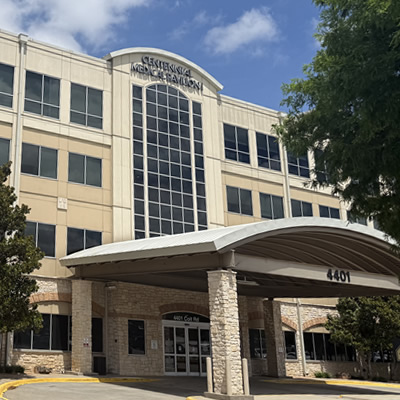
Baylor Scott & White Surgicare - Centennial
4401 Coit Rd Ste 100, Frisco, TX, 75035
- Monday: 7:00 am - 5:00 pm
- Tuesday: 7:00 am - 5:00 pm
- Wednesday: 7:00 am - 5:00 pm
- Thursday: 7:00 am - 5:00 pm
- Friday: 7:00 am - 5:00 pm

Baylor Scott & White Medical Center - Centennial
12505 Lebanon Rd , Frisco, TX, 75035
Texas Endoscopy - Independence Medical Village
8080 Independence Pkwy Ste 160, Plano, TX, 75025
- Monday: 6:00 am - 5:00 pm
- Tuesday: 6:00 am - 5:00 pm
- Wednesday: 6:00 am - 5:00 pm
- Thursday: 6:00 am - 5:00 pm
- Friday: 6:00 am - 5:00 pm
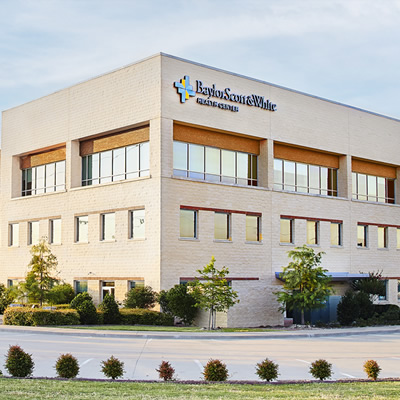
Baylor Scott & White North Texas Colon and Rectal Associates - North Garland
7217 Telecom Pkwy Ste 100, Garland, TX, 75044
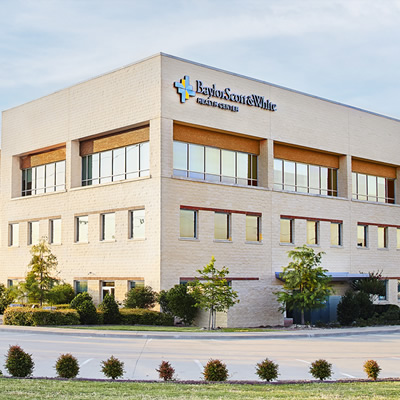
Baylor Scott & White Digestive Diseases Group - Garland
7217 Telecom Pkwy Ste 300, Garland, TX, 75044
- Monday: 8:00 am - 5:00 pm
- Tuesday: 8:00 am - 5:00 pm
- Wednesday: 8:00 am - 5:00 pm
- Thursday: 8:00 am - 5:00 pm
- Friday: 8:00 am - 5:00 pm
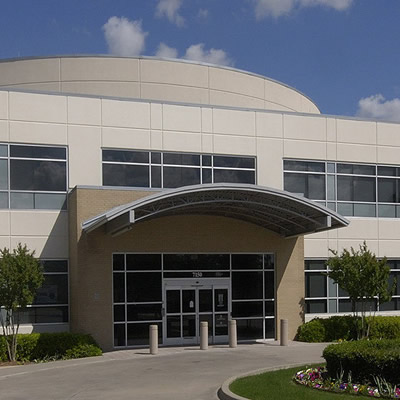
Baylor Scott & White Surgicare - North Garland
7150 N President George Bush Hwy Ste 101, Garland, TX, 75044
- Monday: 6:00 am - 5:00 pm
- Tuesday: 6:00 am - 5:00 pm
- Wednesday: 6:00 am - 5:00 pm
- Thursday: 6:00 am - 5:00 pm
- Friday: 6:00 am - 5:00 pm
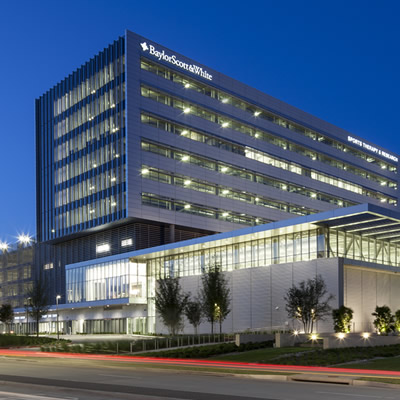
Baylor Scott & White Digestive Diseases at The Star
3800 Gaylord Pkwy Ste 910, Frisco, TX, 75034
- Monday: 8:30 am - 4:30 pm
- Tuesday: 8:30 am - 4:30 pm
- Wednesday: 8:30 am - 4:30 pm
- Thursday: 8:30 am - 4:30 pm
- Friday: 8:30 am - 4:30 pm
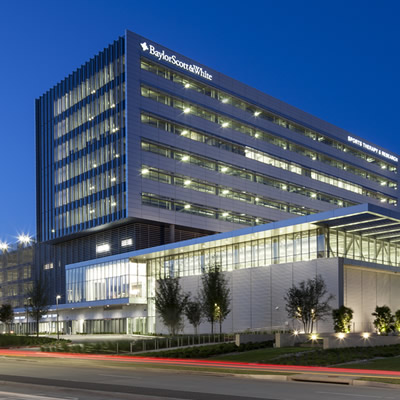
Baylor Scott & White Digestive Diseases Group at The Star
3800 Gaylord Pkwy Ste 910, Frisco, TX, 75034
- Monday: 8:00 am - 5:00 pm
- Tuesday: 8:00 am - 5:00 pm
- Wednesday: 8:00 am - 5:00 pm
- Thursday: 8:00 am - 5:00 pm
- Friday: 8:00 am - 5:00 pm
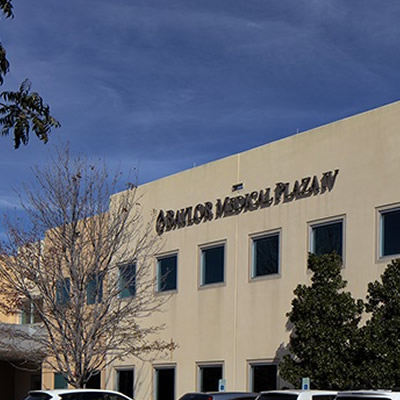
Baylor Scott & White Surgicare - Garland
530 Clara Barton Blvd Ste 100, Garland, TX, 75042
- Monday: 6:00 am - 5:00 pm
- Tuesday: 6:00 am - 5:00 pm
- Wednesday: 6:00 am - 5:00 pm
- Thursday: 6:00 am - 5:00 pm
- Friday: 6:00 am - 5:00 pm
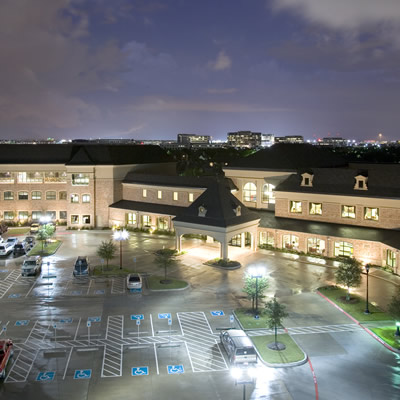
Baylor Scott & White Medical Center - Frisco
5601 Warren Pkwy , Frisco, TX, 75034

Baylor Scott & White Medical Center - Sunnyvale
231 S Collins Rd , Sunnyvale, TX, 75182
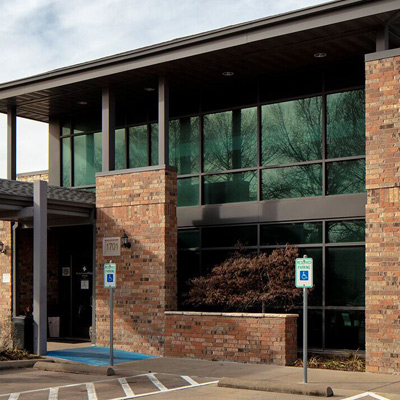
Baylor Scott & White Surgicare - Plano
1701 Ohio Dr , Plano, TX, 75093
- Monday: 6:00 am - 4:00 pm
- Tuesday: 6:00 am - 4:00 pm
- Wednesday: 6:00 am - 4:00 pm
- Thursday: 6:00 am - 4:00 pm
- Friday: 6:00 am - 4:00 pm
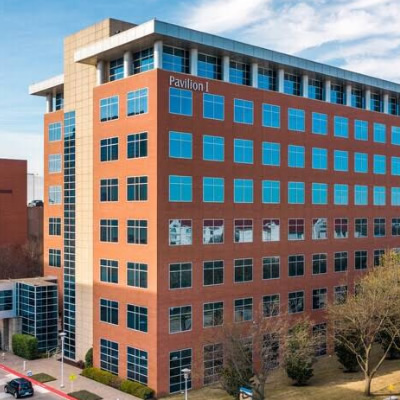
Baylor Scott & White Ambulatory Endoscopy Center
4708 Alliance Blvd Pavilion I, Ste 210, Plano, TX, 75093
- Monday: 7:00 am - 3:00 pm
- Tuesday: 7:00 am - 3:00 pm
- Wednesday: 7:00 am - 3:00 pm
- Thursday: 7:00 am - 3:00 pm
- Friday: 7:00 am - 3:00 pm
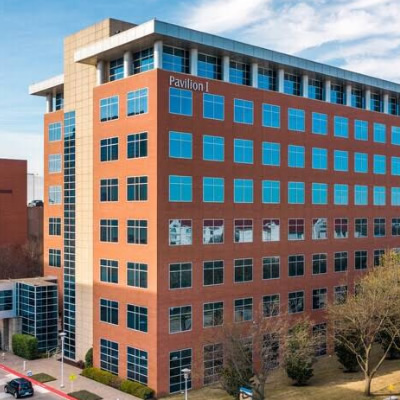
Baylor Scott & White Digestive Diseases Group - Plano
4708 Alliance Blvd Pavilion I, Ste 200, Plano, TX, 75093
- Monday: 8:00 am - 5:00 pm
- Tuesday: 8:00 am - 5:00 pm
- Wednesday: 8:00 am - 5:00 pm
- Thursday: 8:00 am - 5:00 pm
- Friday: 8:00 am - 5:00 pm
Baylor Scott & White Digestive Diseases and Medical Weight Loss - Plano
4716 Alliance Blvd Pavilion II, Ste 470, Plano, TX, 75093
- Monday: 8:00 am - 5:00 pm
- Tuesday: 8:00 am - 5:00 pm
- Wednesday: 8:00 am - 5:00 pm
- Thursday: 8:00 am - 5:00 pm
- Friday: 8:00 am - 5:00 pm
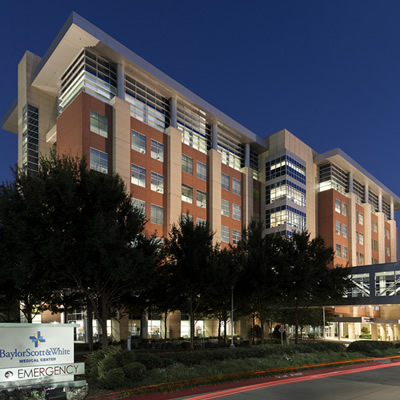
Baylor Scott & White Medical Center - Plano
4700 Alliance Blvd , Plano, TX, 75093
Texas Endoscopy - Parker Rd.
6405 W Parker Rd Ste 370, Plano, TX, 75093
- Monday: 6:00 am - 5:00 pm
- Tuesday: 6:00 am - 5:00 pm
- Wednesday: 6:00 am - 5:00 pm
- Thursday: 6:00 am - 5:00 pm
- Friday: 6:00 am - 5:00 pm
Baylor Scott & White Digestive Diseases Group - Park Cities
9101 N Central Expy Ste 300C, Dallas, TX, 75231
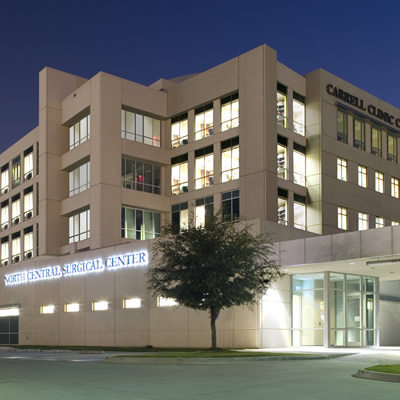
North Central Surgical Center Hospital
9301 N Central Expy Ste 100, Dallas, TX, 75231
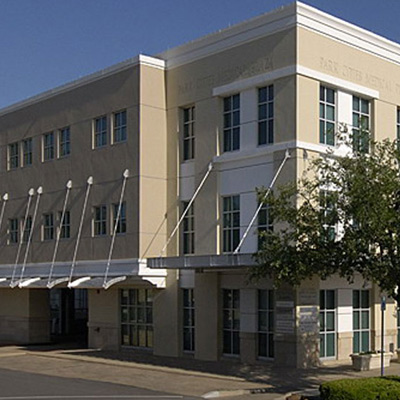
Park Cities Surgery Center
6901 Snider Plz Ste 300, Dallas, TX, 75205
- Monday: 6:00 am - 5:00 pm
- Tuesday: 6:00 am - 5:00 pm
- Wednesday: 6:00 am - 5:00 pm
- Thursday: 6:00 am - 5:00 pm
- Friday: 6:00 am - 5:00 pm

Baylor Scott & White Surgicare - Dallas
4020 Junius St , Dallas, TX, 75246
- Monday: 6:00 am - 5:00 pm
- Tuesday: 6:00 am - 5:00 pm
- Wednesday: 6:00 am - 5:00 pm
- Thursday: 6:00 am - 5:00 pm
- Friday: 6:00 am - 5:00 pm

Baylor University Medical Center, part of Baylor Scott & White Health
3500 Gaston Ave , Dallas, TX, 75246

Baylor Scott & White Center for Esophageal Diseases - Sammons Center (Prearranged Appointment)
3410 Worth St Ste 235, Dallas, TX, 75246
Baylor Scott & White North Texas Colon and Rectal Associates - Dallas
3409 Worth St Ste 600, Dallas, TX, 75246
- Monday: 8:30 am - 5:00 pm
- Tuesday: 8:30 am - 5:00 pm
- Wednesday: 8:30 am - 5:00 pm
- Thursday: 8:30 am - 5:00 pm
- Friday: 8:30 am - 5:00 pm
Baylor Scott & White Center for Inflammatory Bowel Diseases
3409 Worth St Ste 600, Dallas, TX, 75246
- Monday: 8:30 am - 4:30 pm
- Tuesday: 8:30 am - 4:30 pm
- Wednesday: 8:30 am - 4:30 pm
- Thursday: 8:30 am - 4:30 pm
- Friday: 8:30 am - 4:30 pm
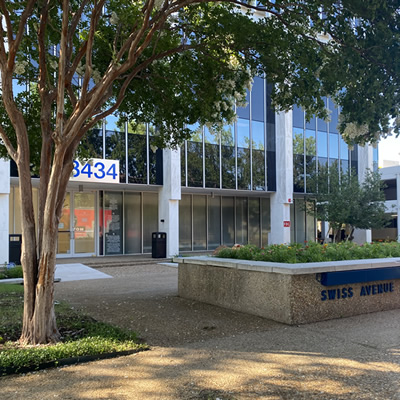
Baylor Scott & White Advanced Digestive Care
3434 Swiss Ave Ste 200, Dallas, TX, 75204
- Monday: 8:00 am - 5:00 pm
- Tuesday: 8:00 am - 5:00 pm
- Wednesday: 8:00 am - 5:00 pm
- Thursday: 8:00 am - 5:00 pm
- Friday: 8:00 am - 5:00 pm
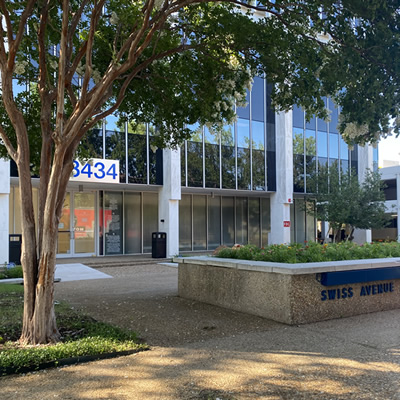
Baylor Scott & White Center for Esophageal Diseases
3434 Swiss Ave Ste 200, Dallas, TX, 75204
- Monday: 9:00 am - 5:00 pm
- Tuesday: 9:00 am - 5:00 pm
- Wednesday: 9:00 am - 5:00 pm
- Thursday: 9:00 am - 5:00 pm
- Friday: 9:00 am - 1:00 pm
Tuscan Surgery Center at Las Colinas
701 Tuscan Dr Ste 100, Irving, TX, 75039
- Monday: 6:00 am - 5:00 pm
- Tuesday: 6:00 am - 5:00 pm
- Wednesday: 6:00 am - 5:00 pm
- Thursday: 6:00 am - 5:00 pm
- Friday: 6:00 am - 5:00 pm
Lonestar Endoscopy Center - Flower Mound
1001 Surrey Ln , Flower Mound, TX, 75022
- Monday: 5:00 am - 3:00 pm
- Tuesday: 5:00 am - 3:00 pm
- Wednesday: 5:00 am - 3:00 pm
- Thursday: 5:00 am - 3:00 pm
- Friday: 5:00 am - 3:00 pm

Baylor Scott & White Medical Center - Irving
1901 N MacArthur Blvd , Irving, TX, 75061

Baylor Scott & White Medical Center - Grapevine
1650 W College St , Grapevine, TX, 76051
Lonestar Endoscopy Center - Southlake
515 S Nolen Dr , Southlake, TX, 76092
- Monday: 5:00 am - 3:00 pm
- Tuesday: 5:00 am - 3:00 pm
- Wednesday: 5:00 am - 3:00 pm
- Thursday: 5:00 am - 3:00 pm
- Friday: 5:00 am - 3:00 pm
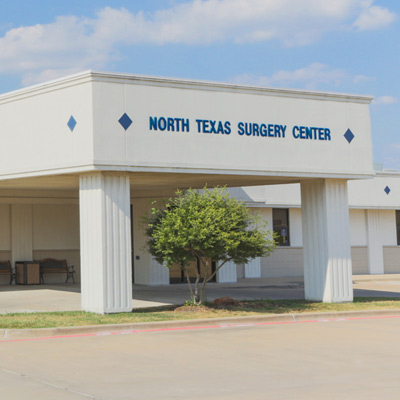
North Texas Surgery Center
7992 W Virginia Dr , Dallas, TX, 75237
- Monday: 6:00 am - 5:00 pm
- Tuesday: 6:00 am - 5:00 pm
- Wednesday: 6:00 am - 5:00 pm
- Thursday: 6:00 am - 5:00 pm
- Friday: 6:00 am - 5:00 pm
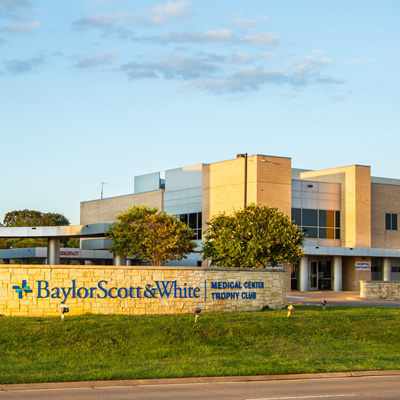
Baylor Scott & White Medical Center - Trophy Club
2850 E State Highway 114 , Trophy Club, TX, 76262
Lonestar Endoscopy Center - Keller
180 Bear Creek Pkwy , Keller, TX, 76248
- Monday: 5:00 am - 3:00 pm
- Tuesday: 5:00 am - 3:00 pm
- Wednesday: 5:00 am - 3:00 pm
- Thursday: 5:00 am - 3:00 pm
- Friday: 5:00 am - 3:00 pm

Baylor Scott & White Medical Center - Waxahachie
2400 N Interstate 35E , Waxahachie, TX, 75165
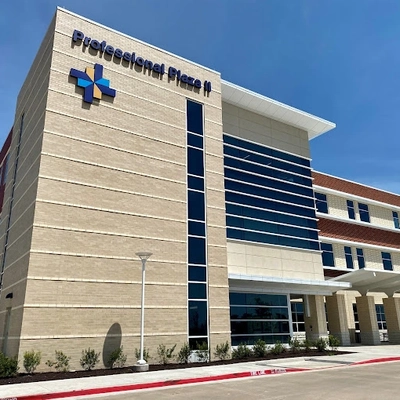
Baylor Scott & White Digestive Diseases - Waxahachie
2360 N Interstate 35E Ste 310 , Waxahachie, TX, 75165
- Monday: 8:00 am - 4:30 pm
- Tuesday: 8:00 am - 4:30 pm
- Wednesday: 8:00 am - 4:30 pm
- Thursday: 8:00 am - 4:30 pm
- Friday: 8:00 am - 4:30 pm
Frequently asked questions
-
What does acid reflux feel like?
Acid reflux often feels like a burning sensation, which is why it’s sometimes referred to as heartburn. You may feel burning at the back of your throat or in the middle of your chest. You might also have a sore throat or feel nauseated after meals.
-
What should I do during an acid reflux attack?
During an acid reflux attack, you can try taking antacids. These often bring quick relief but should not be taken daily. Sitting upright can stop acid from traveling up your esophagus, which may help. You can also try walking around, which can aid with digestion.
-
What should I drink for acid reflux?
Water may be the best drink. It helps lower levels of acid in your esophagus. You can try herbal teas, such as ginger and chamomile, but avoid peppermint tea as it triggers reflux in some people.
-
What foods cause acid reflux?
Chocolate, peppermint, spicy or greasy foods, tomatoes and acidic foods, such as citrus fruits, can trigger acid reflux. Drinks such as coffee, soda, fruit juice and alcoholic beverages can also exacerbate symptoms.
-
How can I prevent acid reflux?
Many people can prevent acid reflux by eating smaller meals, restricting trigger foods, reducing stress and anxiety and not eating close to bedtime. If you are overweight, try to lose weight, and if you are a smoker, quit.
-
How long does acid reflux last?
Acid reflux can last from a few minutes to a few hours. It typically goes away by itself, but you can relieve symptoms by taking antacids or other over-the-counter medicines.
-
Can acid reflux cause chest pain?
Acid reflux can cause a burning sensation in your upper chest and throat. These symptoms are commonly known as heartburn. Despite the name, though, heartburn has nothing to do with your heart.